



DENVER - A proposed plan to make the Sanderson Gulch area in South Denver more pedestrian friendly and flood resistant is getting push back from neighbors over concerns of the impact to wildlife.
"We are aligned with the goals of this project. We support increased pedestrian and bike safety. We support flood mitigation for the community and improved water quality," said Megan Lane, a Ruby Hill neighbor advocating for city officials to take another look at the plan.
She and others are concerned about the beavers who currently live in the gulch.
The gulch flows near homes and is lined by trails.
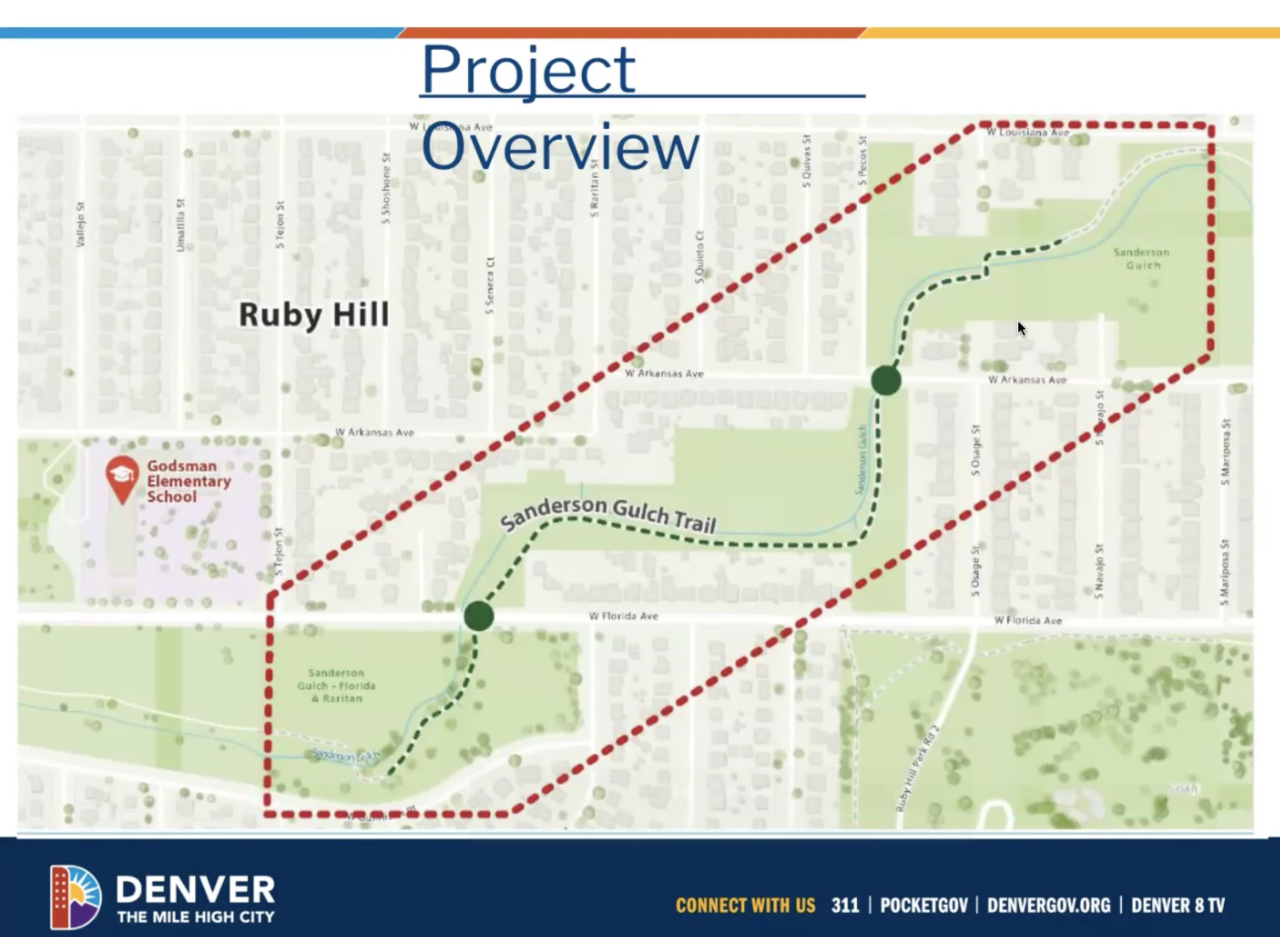
Planners report that the gulch is at high risk for a 100-year flood as it currently exists.
A small, undersized culvert near Arkansas Ave is an example of the inadequate flash flooding mitigation that neighbors can see at street level.
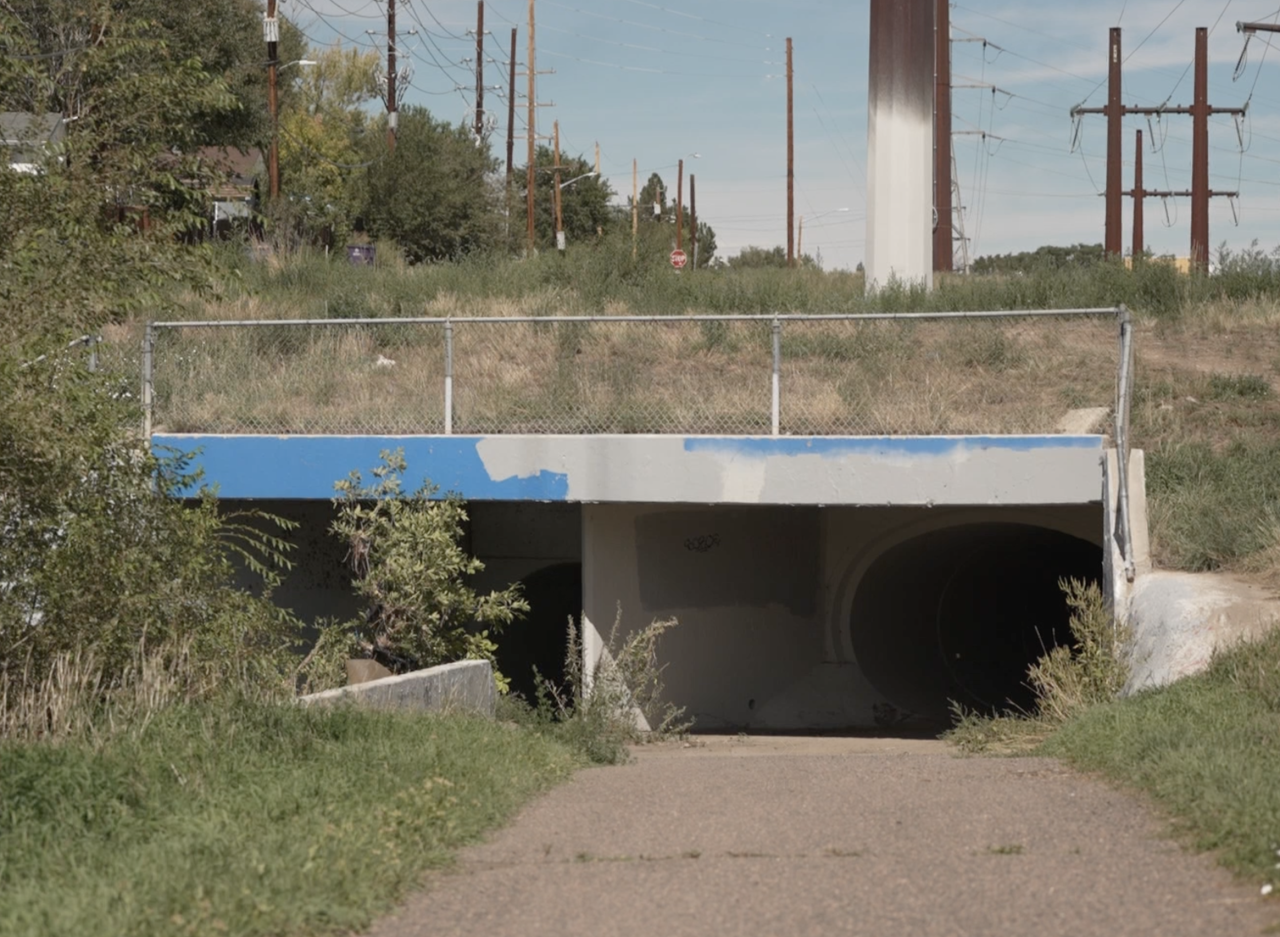
City staff report another issue is underground. The current gulch is too shallow. The plan calls for increasing the gulch depth from 15 feet to 19 feet in parts.
"The project, as of right now, is actually expected to kind of gut the section of the gulch," Lane said of the area between Arkansas and Florida Avenues.
In a community meeting this week, city planners told neighbors they will let wildlife move on their own once construction starts.
"The habitat will be changed while the project is taking place. There's no doubt about that," said Vicki Vargas-Madrid with Denver Parks & Recreation at the meeting, "Call it 'destroyed', 'changed' and probably much of it will be removed. We're going to do our best to save some of the trees, the more mature trees. We see this as- we're exchanging the existing habitat for new habitat,"
The community meeting ended in Ruby Hill neighbors voting to withdraw support for the project as it's currently planned.
Beaver ecologist Nova Robbins-Waldstein said it's highly unlikely that once the beavers are forced out, that they'll come back. She explained beavers being in the gulch serves as a natural form of flash flood mitigation.
"[Beavers] dig these underground tunnels, and it's another simple thing that's allowing for more water to consistently be hitting that source, allowing for a constant flow of clean, healthy water rather than dispersing and running off into our roads and such," she said.
Neighbors want the city to look at solutions that address flood safety while also keeping the beavers in their home.
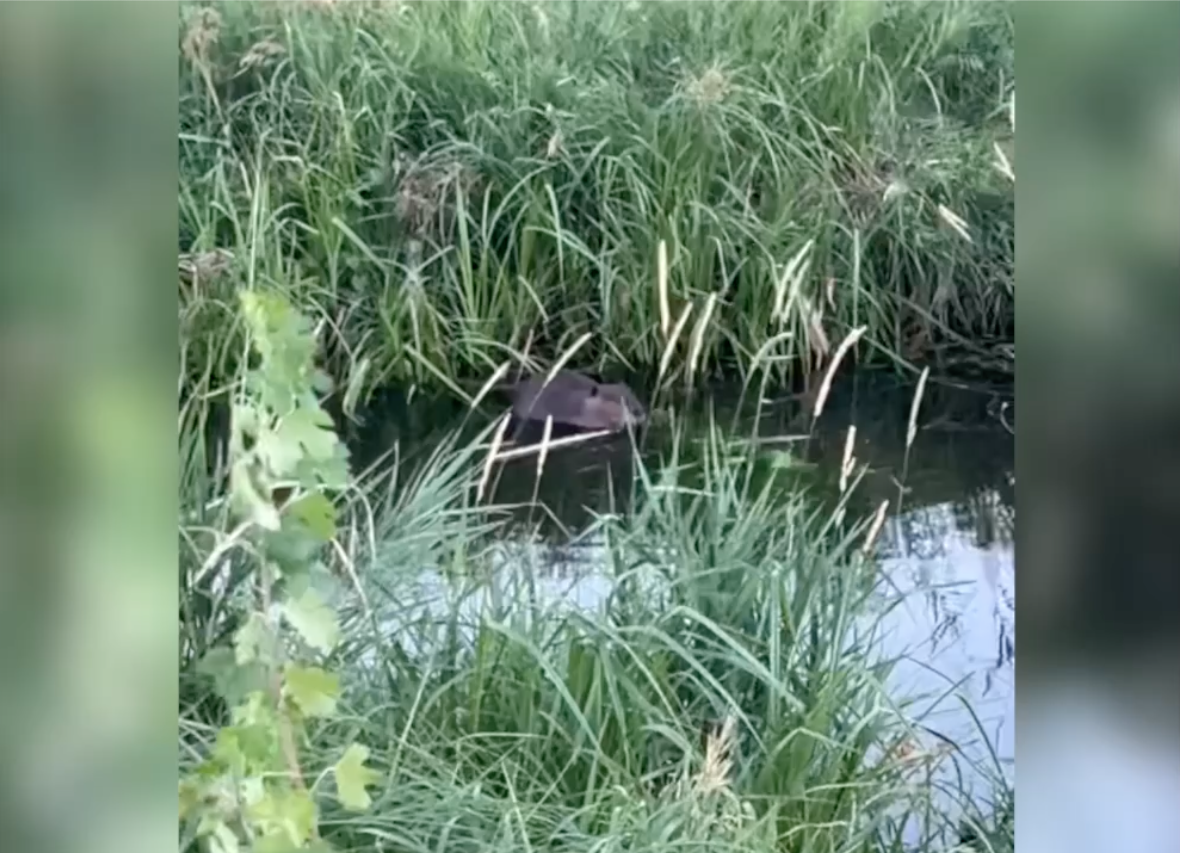
"How can we work on this project utilizing the existing ecosystem and all the benefits that the beavers are currently providing, and then build on that," Lane said.
Lane and Robbins-Waldstein are calling on the city to do a robust ecological study of the area.
A spokesperson with the Denver Department of Transportation Infrastructure, also involved in the project, said they do plan on reaching out the the neighborhood organization to share the existing ecological information completed for this project and discuss what, if anything, additional may be needed.
They also acknowledged that the core project improvements are fully designed and not expected to change. However, there is flexibility on how construction is managed to minimize impacts as much as possible.
"Lowering the gulch, widening the regional trail, adding safer pedestrian crossings, and re-establishing a healthy, more natural channel — work together to provide the project’s intended benefits, including reducing flood risk for the residents, improving connectivity and safety, and creating a healthier long-term condition for the gulch. Changing those fundamental elements would affect the benefits the project is intended to deliver," the DOTI spokesperson said in a statement to Denver7.
After further discussion with neighbors, DOTI said they will seek to bid the project construction later this year. City council will need to review that contract which is anticipated in early 2027. If approved, construction would begin in late spring or early summer 2027.
"Our goals here are not different, so I think we're given a really, really unique and actually cool opportunity to reevaluate the situation differently," said Robbins-Waldstein, "I really think that we have a amazing opportunity to work with the beavers, bring them back, and really allow them to do the job they've done best: 7.5 million years of engineering experience."


