

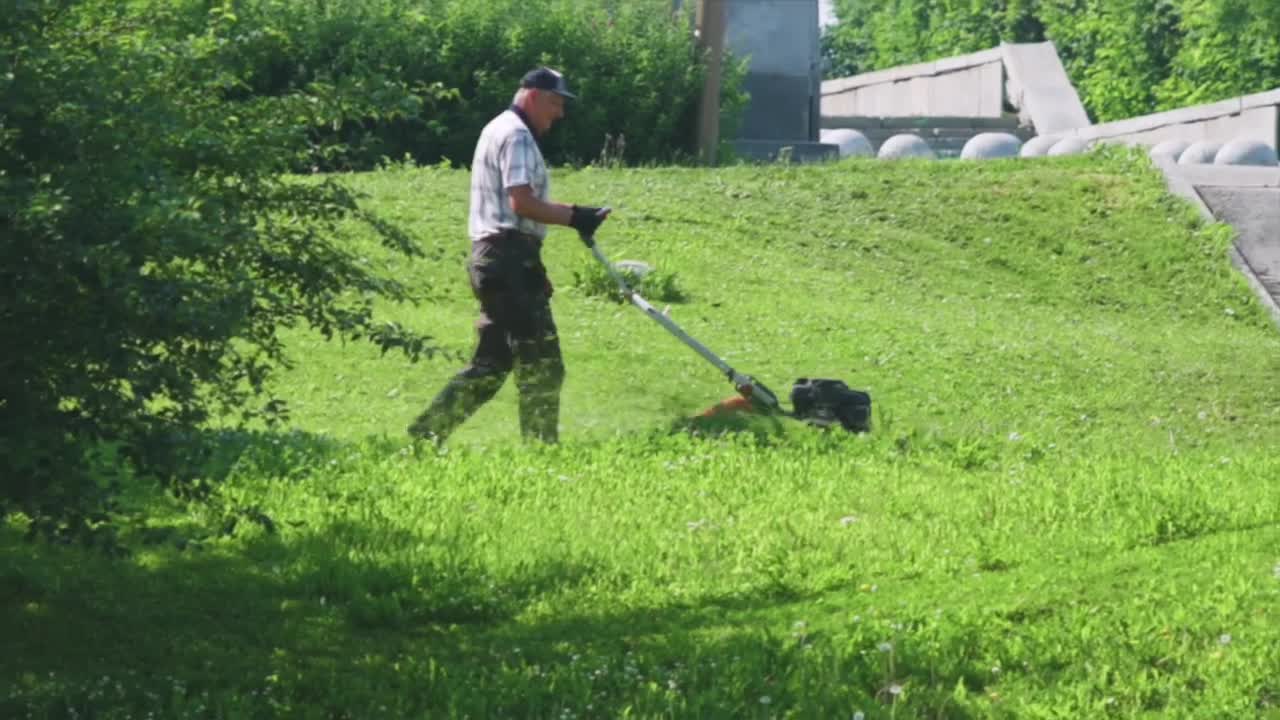


COLORADO — New state restrictions on gas-powered lawn equipment are raising concerns among commercial landscaping businesses in Colorado, with some owners worried about the cost of transitioning to electric equipment and the impact on their services.
The Colorado Air Quality Control Commission approved new standards to reduce ground-level ozone pollution. The rules apply to commercial landscaping operators in designated ozone nonattainment areas, mostly parts of Weld County and the Denver metro area.
Watch this story in the video player below:
The restrictions will take effect during the summer months, from June 1 through Aug. 31, starting in 2027. Businesses will have to gradually reduce the percentage of covered gas-powered equipment in their inventory, with the limit dropping to 10% by 2032.
David Ward, owner of Ward's Lawn Service, says about 45% of his equipment is electric. But he says the new requirements could force him to replace equipment sooner than he had planned.
"We're having to take a whole pile of equipment and basically throw it out the window, and have to buy a whole bunch of batteries, a whole bunch of electric equipment that was not in the plan that we had previously with the state," Ward said.
He is also concerned that some services could become unavailable during the summer because suitable electric alternatives are not yet available.
"We'll have to drop midsummer aerations because there's not even tools out there to do the job, so there'll be no midsummer aerations because that lies between June 1 and August 31, so that's revenue's gone," Ward said.
The Associated Landscape Contractors of Colorado is also pushing back against the decision. CEO John McMahon says the industry had been working with state officials on a transition plan but believes its concerns were not adequately considered.
"CDPH had the information; they had the letter. We have been working with them since July. We had, in good faith, as a landscape industry," McMahon said.
Michael Ogletree, Senior Director of the state's air quality programs, said in a press release, "Air pollution from gas-powered lawn and garden equipment has historically been left unchecked. It adds up and exacerbates Colorado’s ozone pollution challenges. We must continue to address this issue to protect people’s health, and these new requirements are a step in the right direction."
The director says the state will work with commercial operators as it implements standards so the changes are as smooth as possible.
McMahon says the organization plans to challenge the commission's decision, questioning the process behind the new requirements and how it considered industry feedback and available data.


